Registered Nurse | Cedars-Sinai Medical Center | Family Nurse Practitioner Student
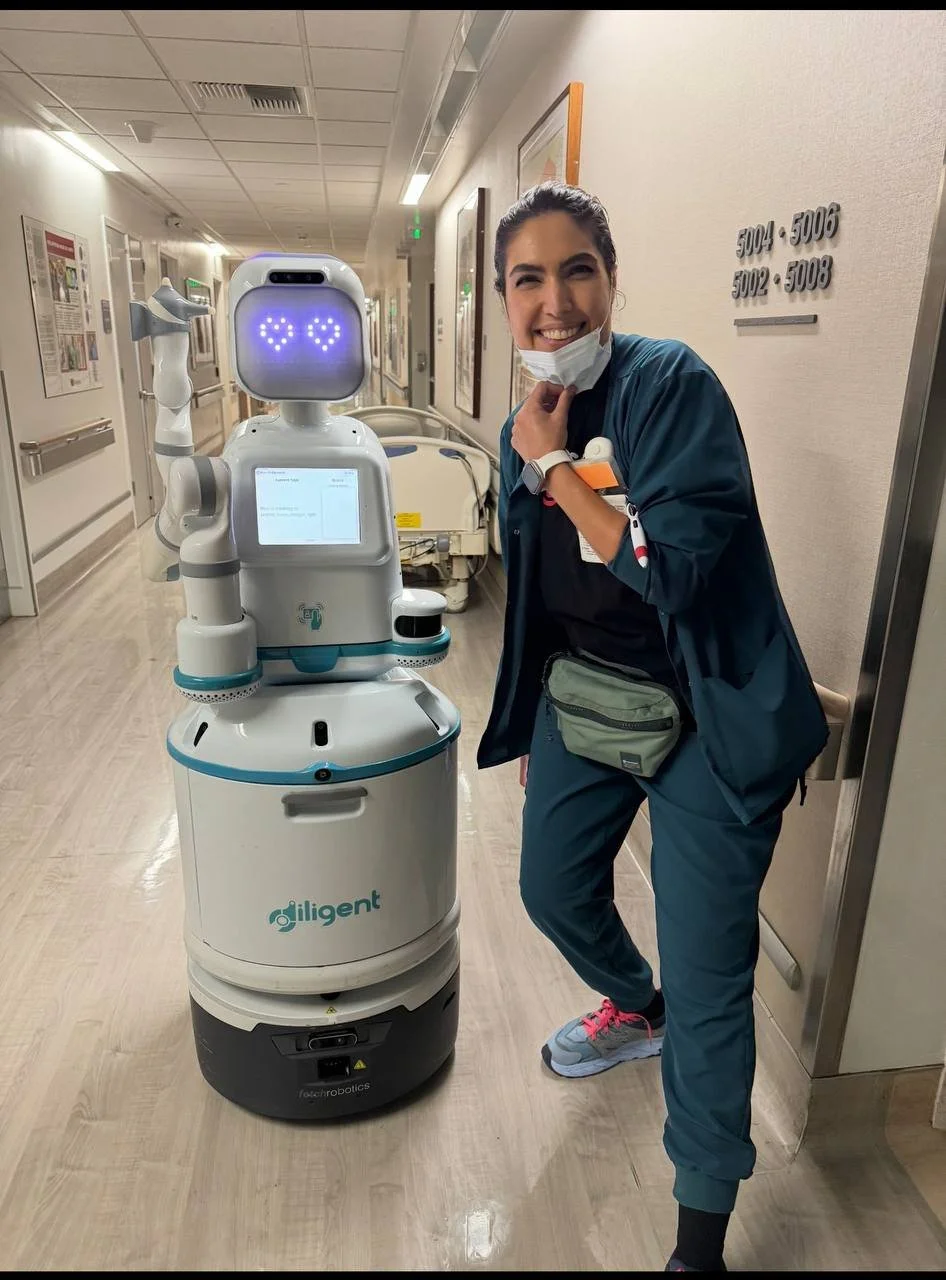

Welcome to my professional nursing portfolio.

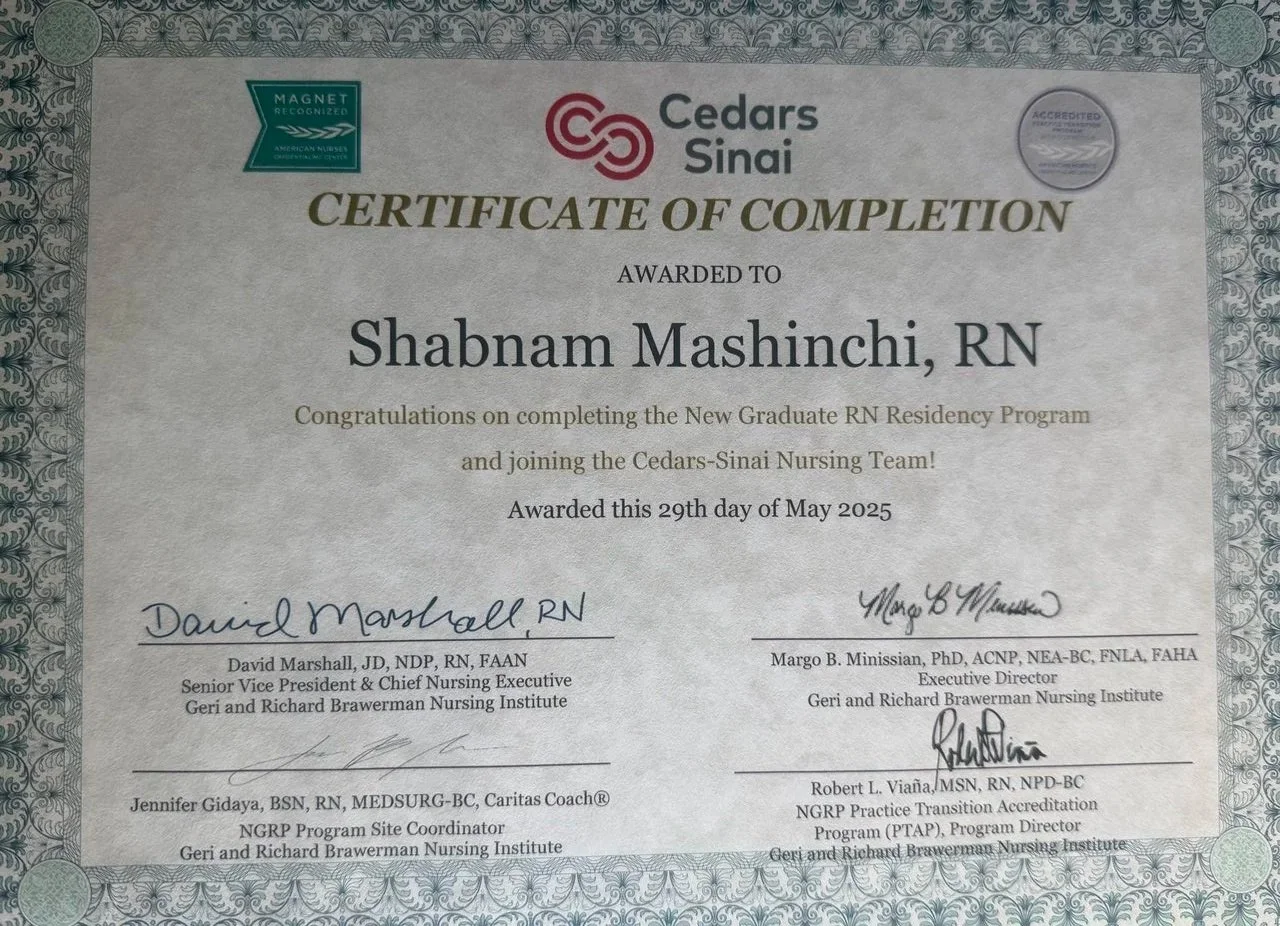
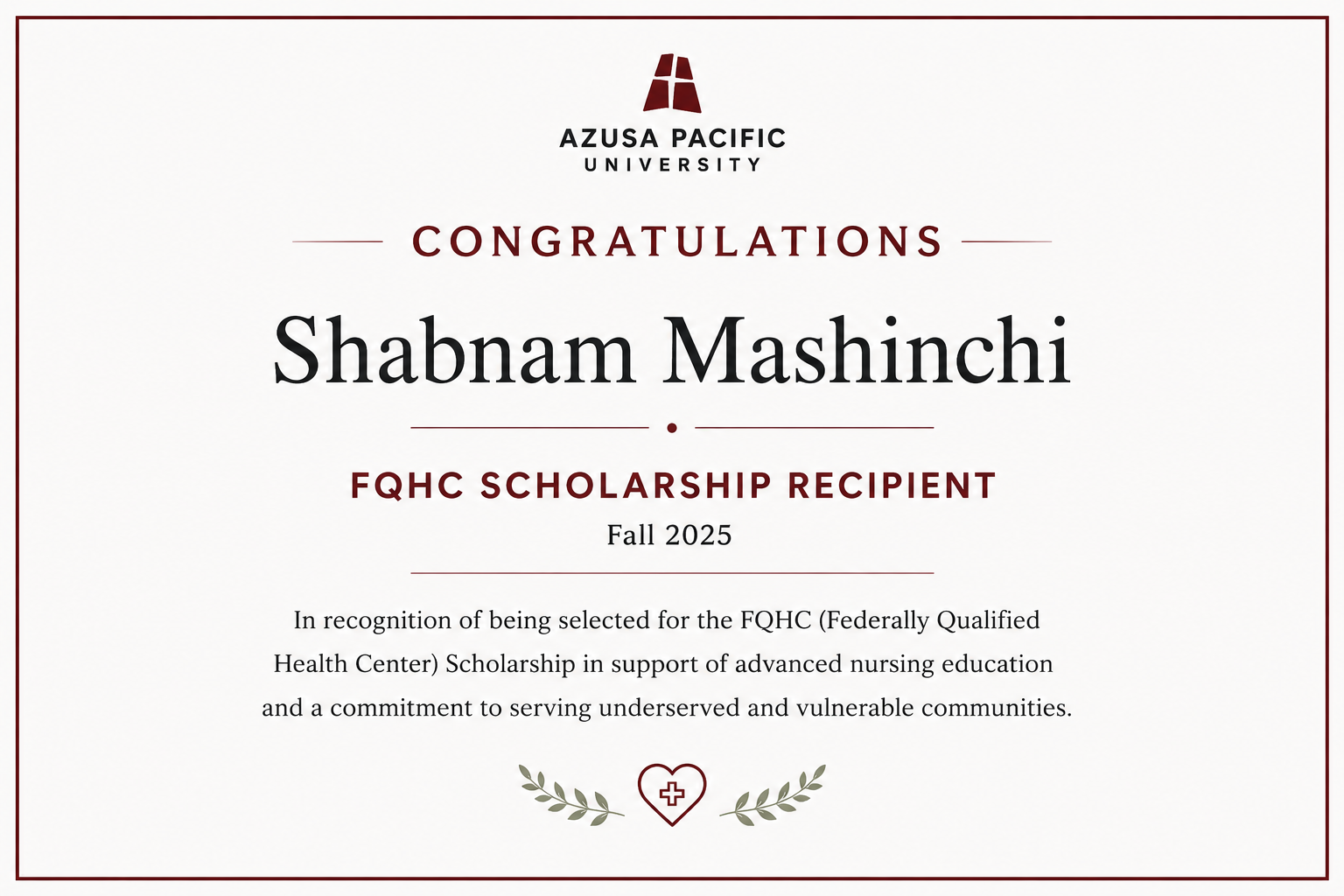
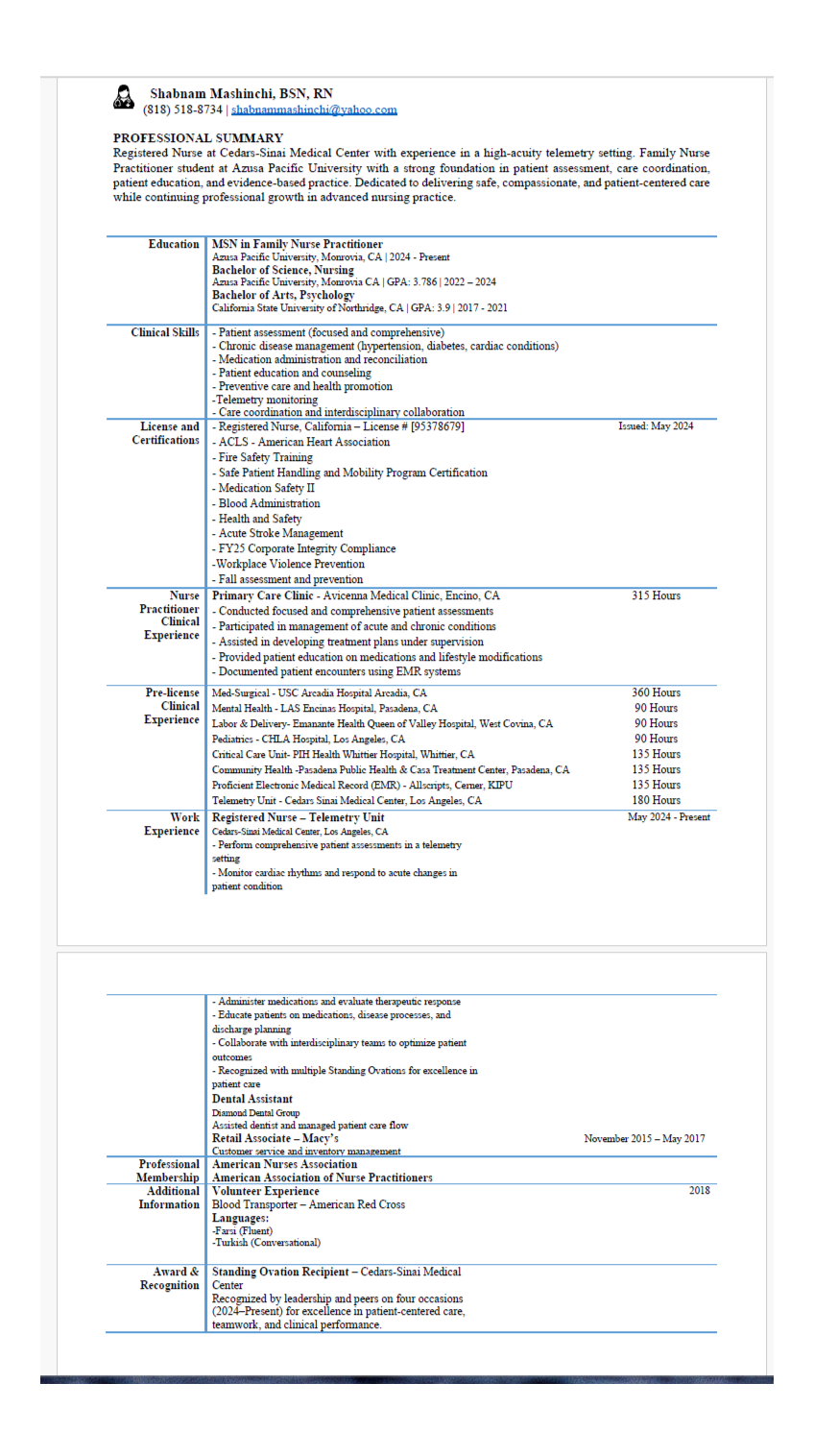
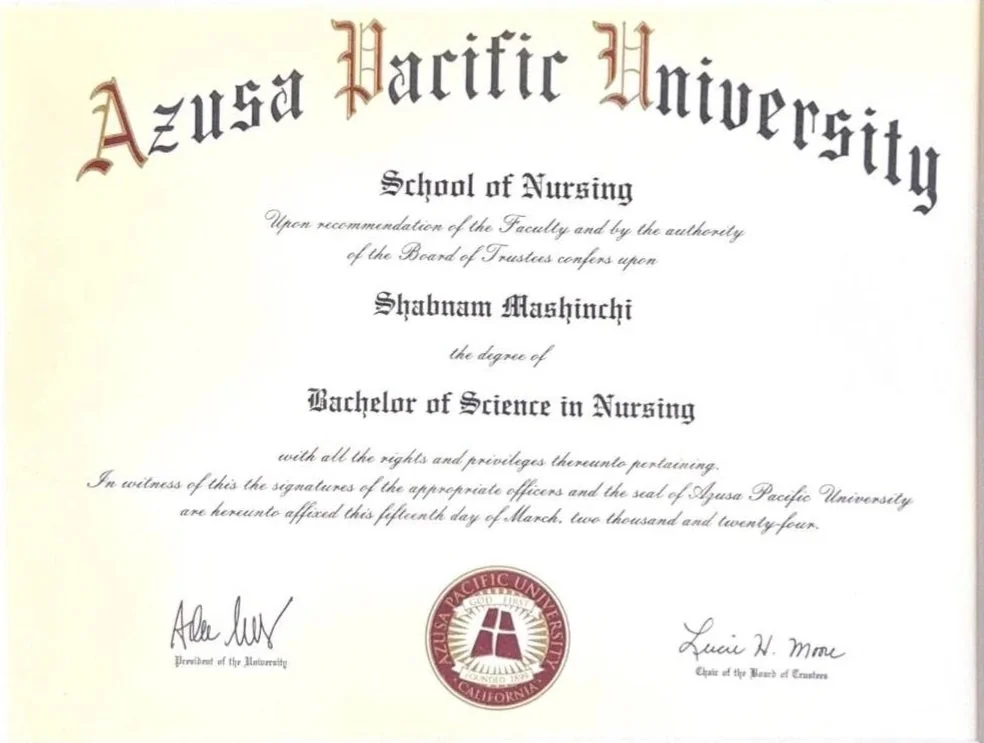
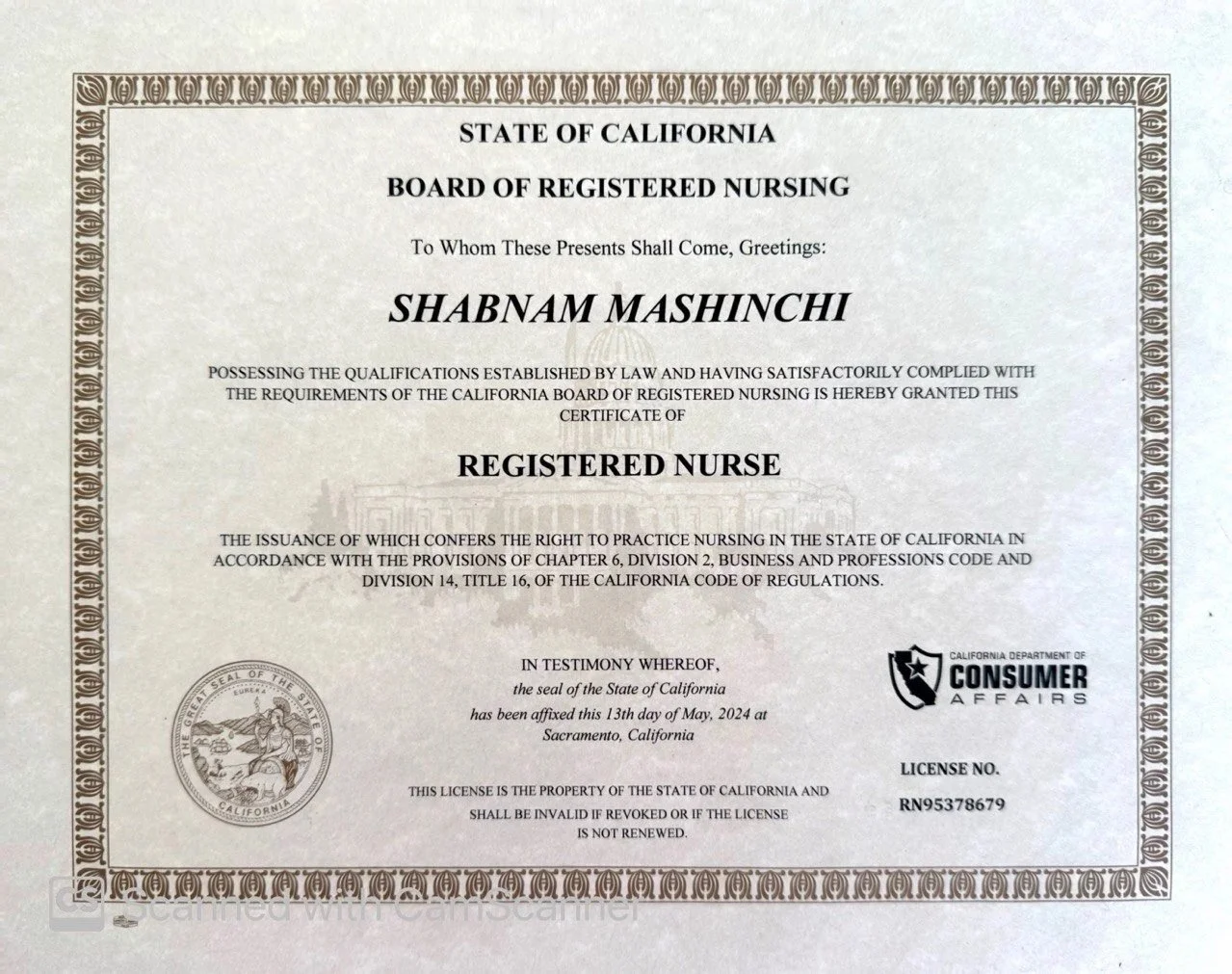
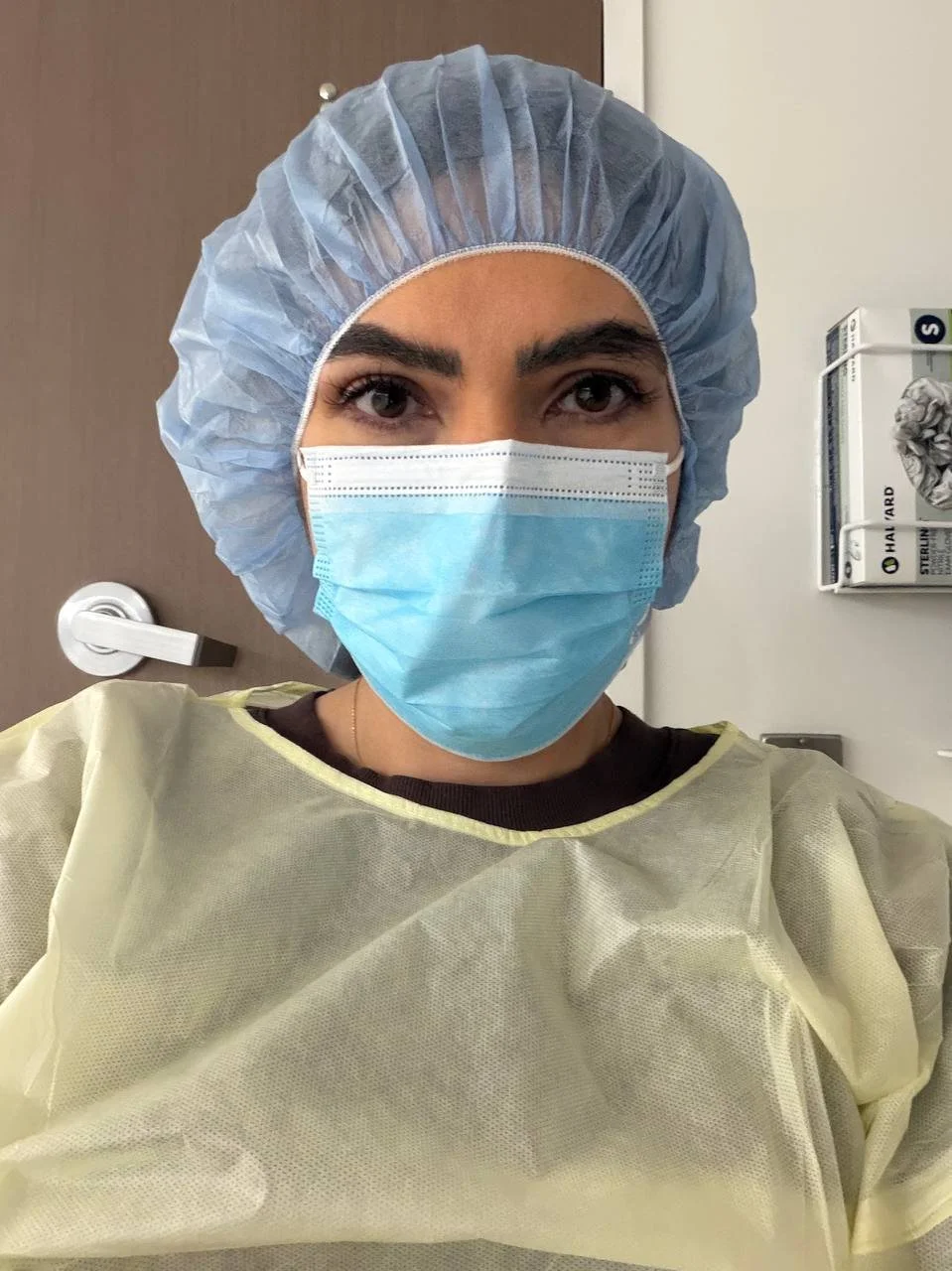
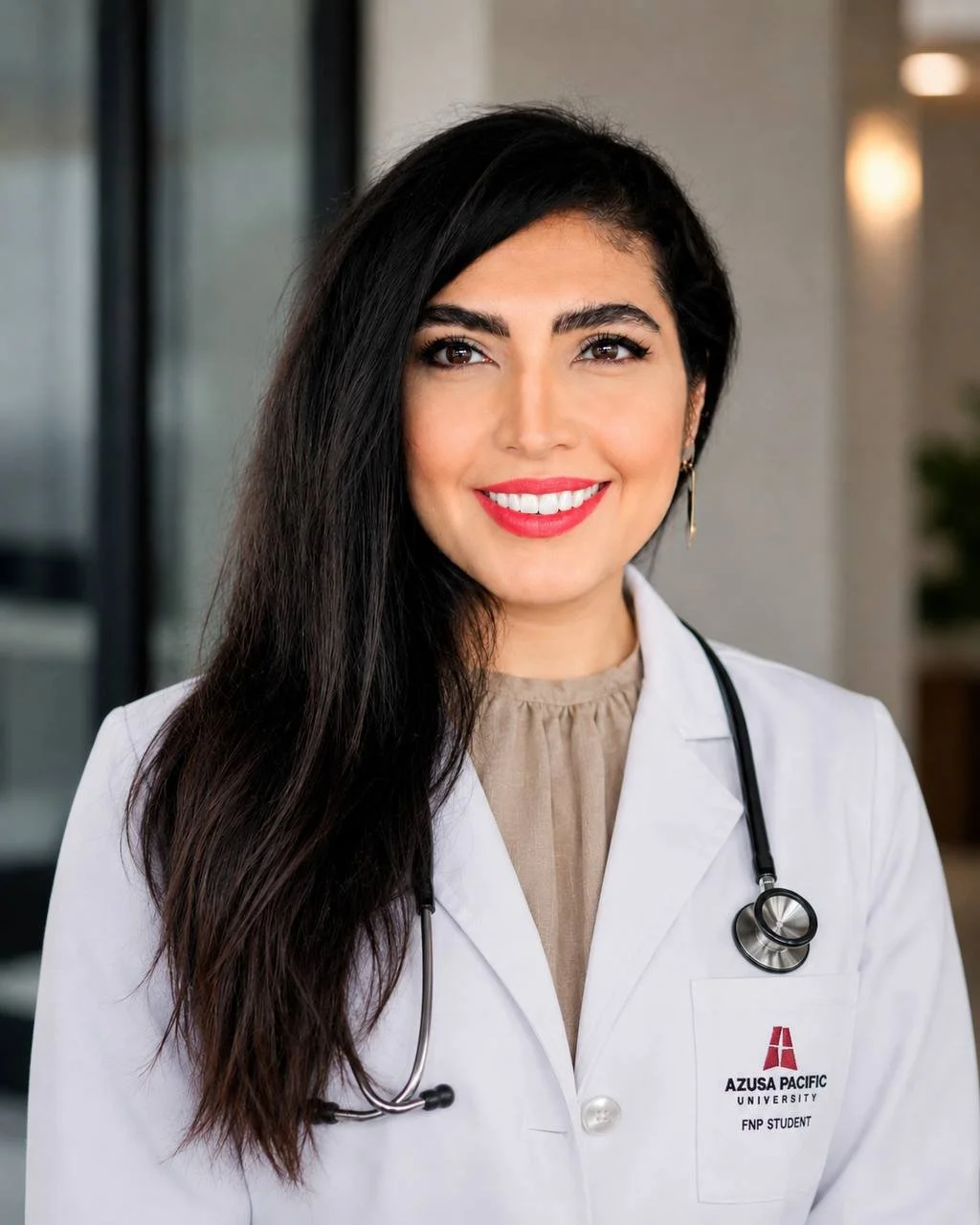
I am a Registered Nurse on the 5 North Telemetry Unit at Cedars-Sinai Medical Center and a Family Nurse Practitioner student at Azusa Pacific University. My professional journey reflects a commitment to compassionate, patient-centered care, lifelong learning, and clinical excellence.
Working in a fast-paced telemetry environment has strengthened my clinical judgment, communication skills, adaptability, and ability to collaborate effectively with interdisciplinary healthcare teams. Each patient encounter has contributed to my growth as a nurse and reinforced the importance of delivering safe, evidence-based care.
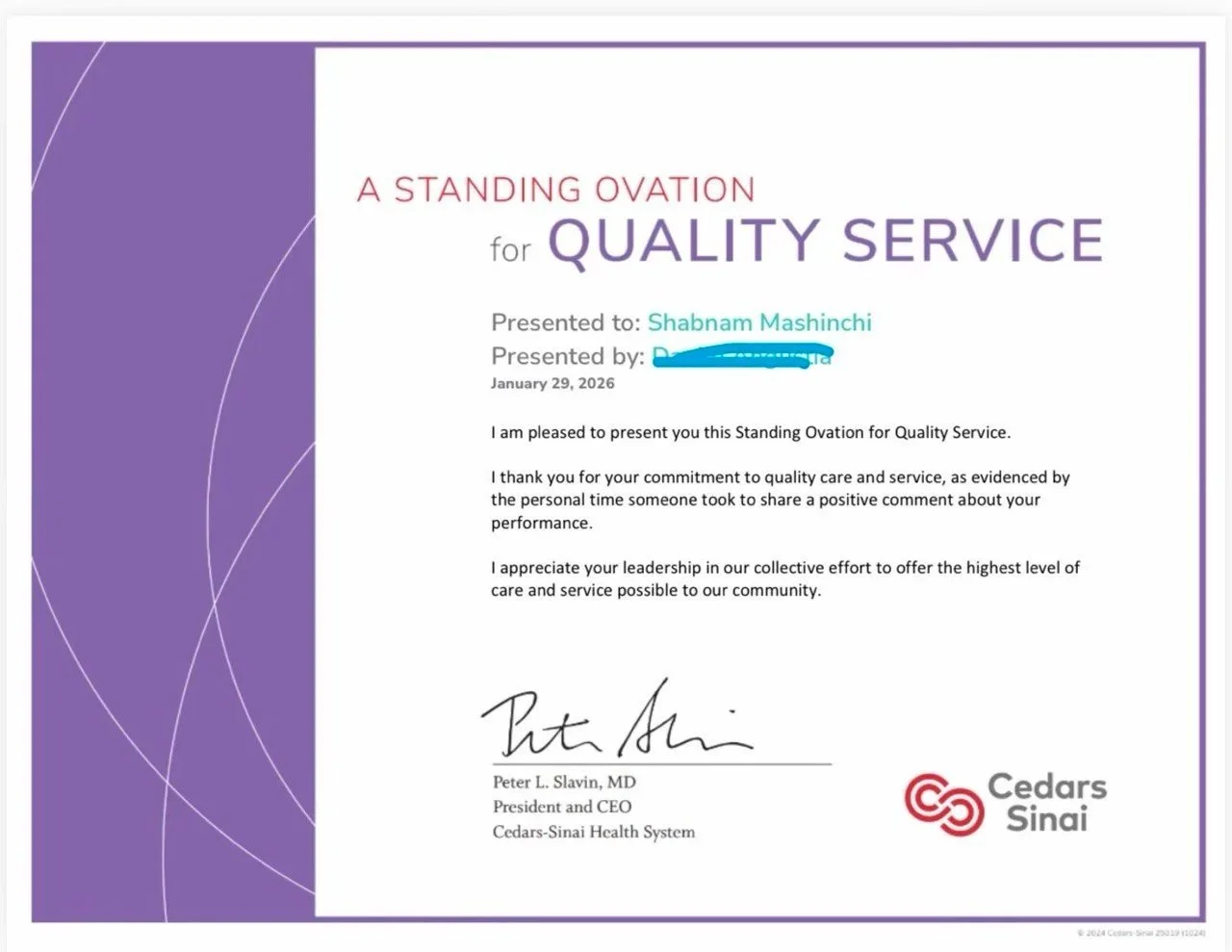
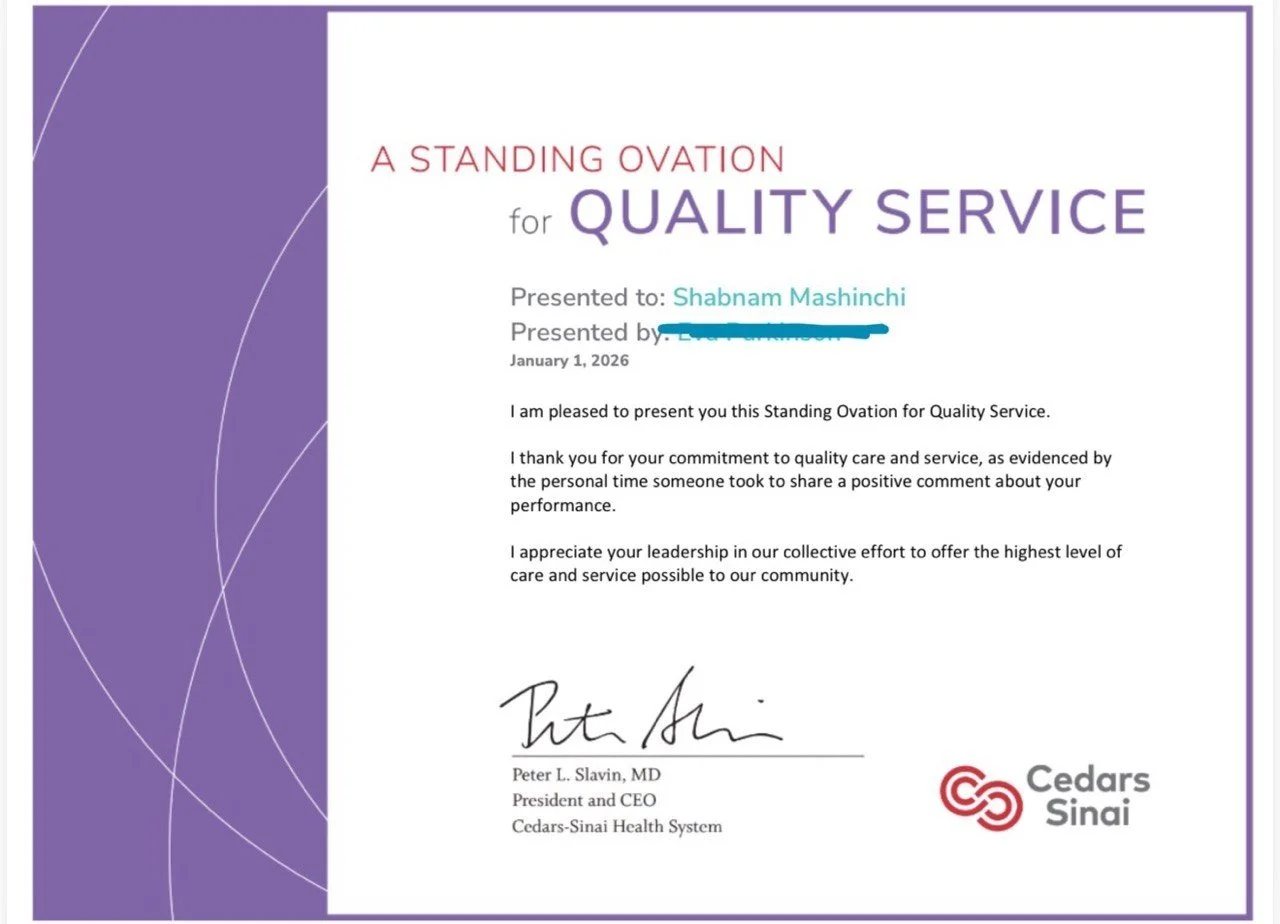
During my professional practice, I have been honored to receive multiple Standing Ovation recognitions for quality service, teamwork, and patient-centered care. These acknowledgments serve as meaningful reminders of the impact nurses can have on the lives of patients and their families.
This portfolio highlights my educational achievements, professional development, certifications, clinical experience, recognitions, and continued growth as a healthcare professional. As I continue my journey toward becoming a Family Nurse Practitioner, I remain dedicated to providing exceptional care, advancing my knowledge, and making a positive difference in the communities I serve.
Thank you for taking the time to explore my professional journey.


Professional Growth & Nursing Values

Nursing has provided me with the opportunity to care for patients during some of the most challenging moments of their lives. Through my experience as a Registered Nurse at Cedars-Sinai Medical Center, I have developed a deeper appreciation for the importance of compassion, professionalism, teamwork, and patient advocacy.


My practice is centered on treating every patient with dignity, respect, and empathy while providing safe, evidence-based care. I believe that effective nursing extends beyond clinical skills and includes communication, emotional support, education, and collaboration with patients, families, and interdisciplinary healthcare teams.
Working on a telemetry unit has strengthened my clinical judgment, adaptability, and confidence in managing complex patient needs. These experiences have reinforced my commitment to lifelong learning and continuous professional development.
In addition to my role as a Registered Nurse, I am pursuing graduate education as a Family Nurse Practitioner student at Azusa Pacific University. This journey continues to expand my knowledge and prepare me for future opportunities to serve patients and communities.

I remain committed to excellence in nursing practice and to making a positive difference in the lives of those entrusted to my care.


Clinical Highlights

Resume and cover letter

Resume

Cover letter

Education

Coming soon …

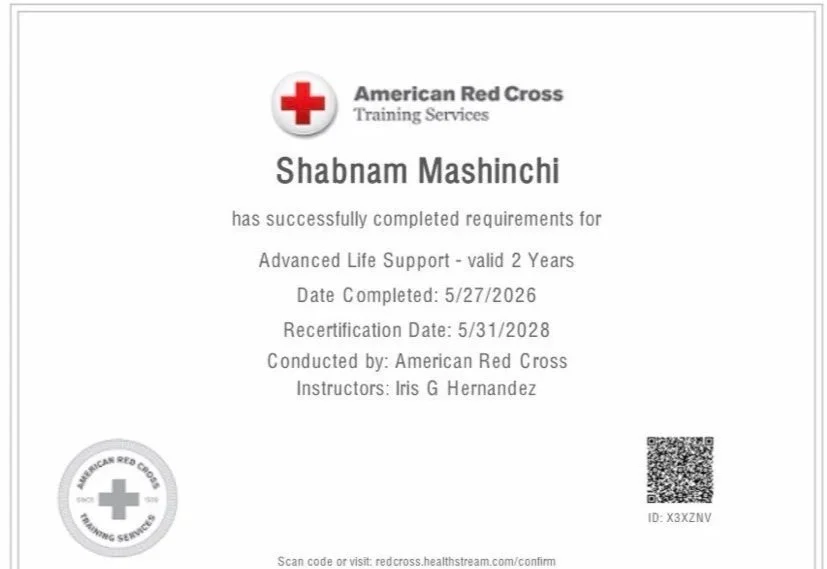
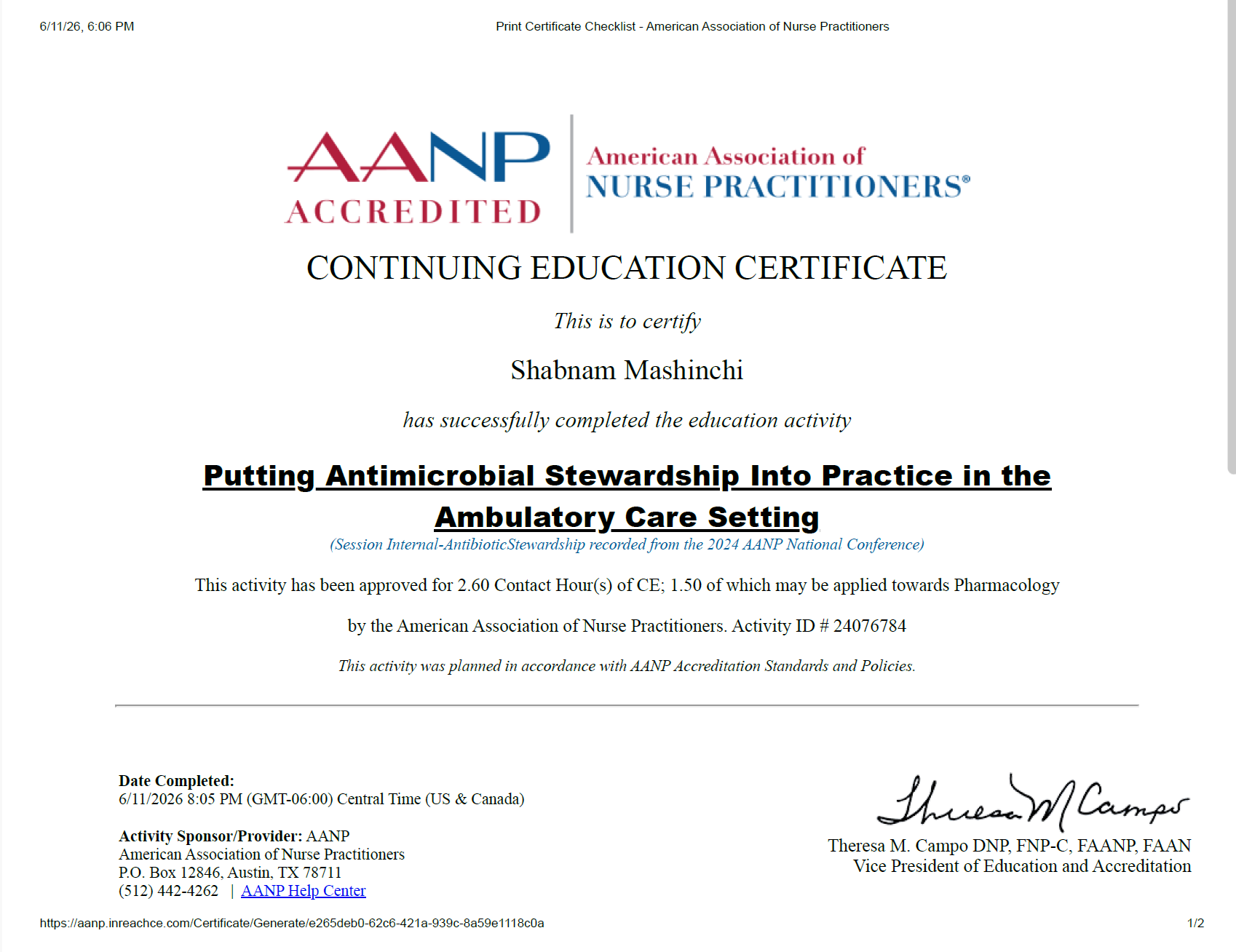
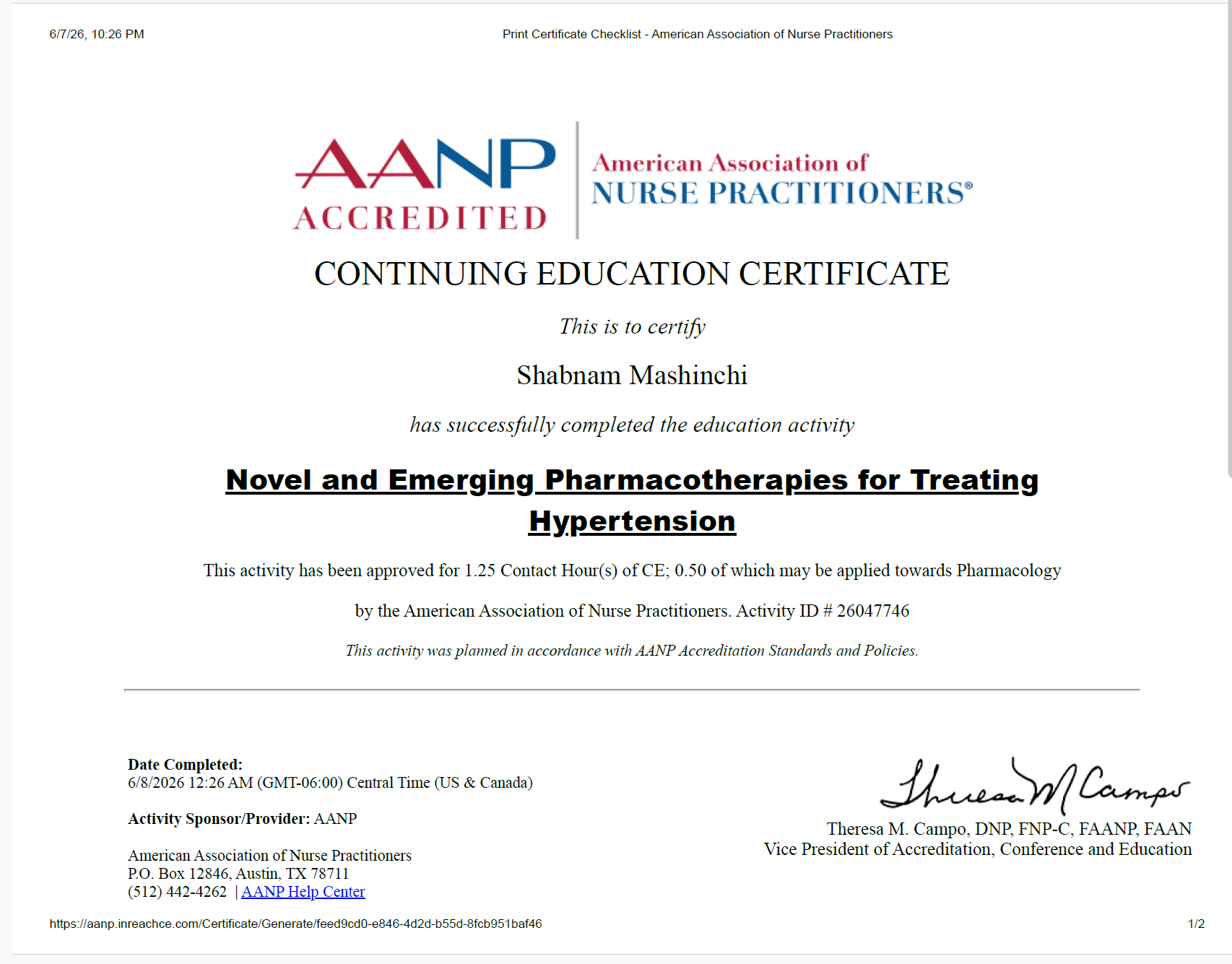
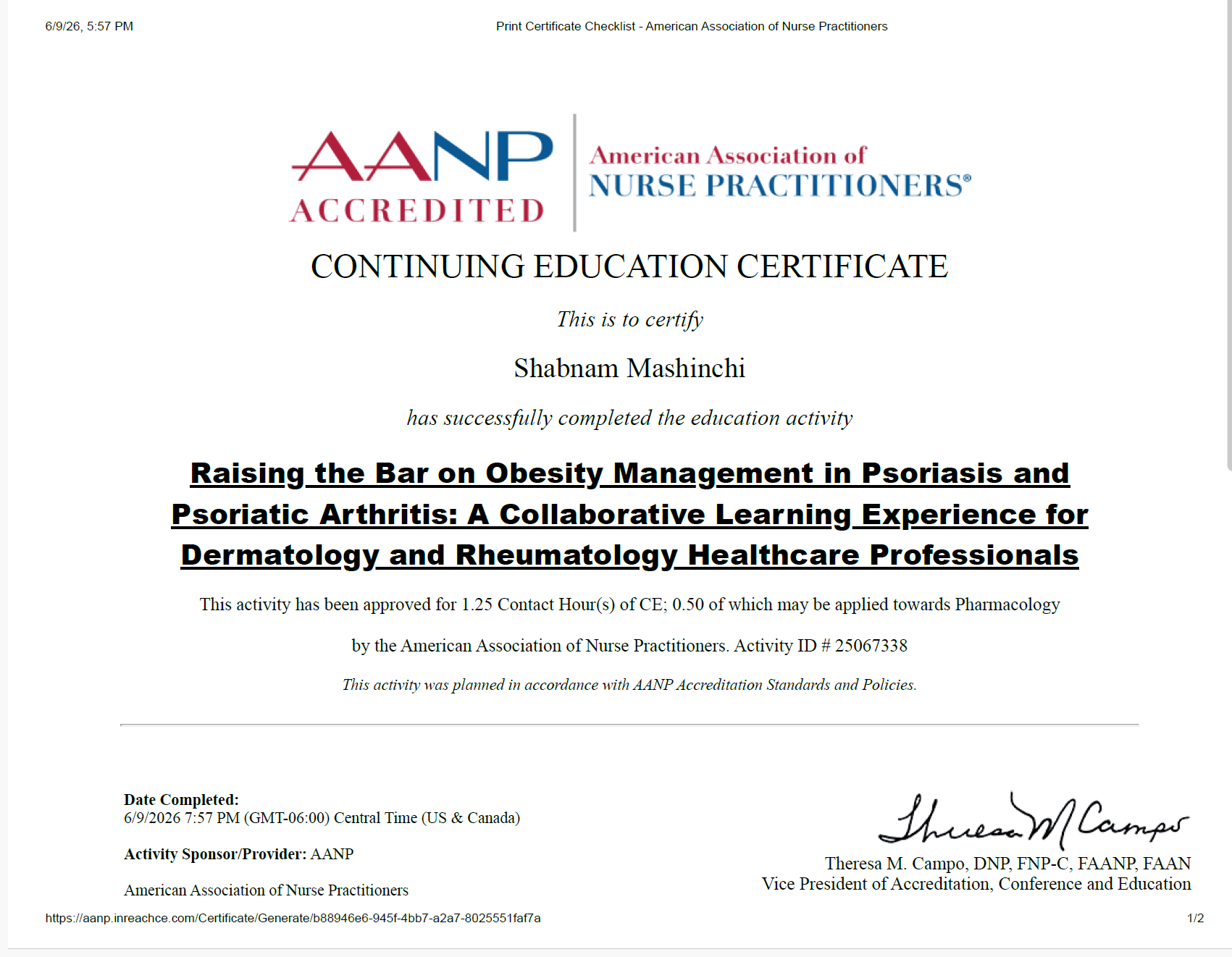
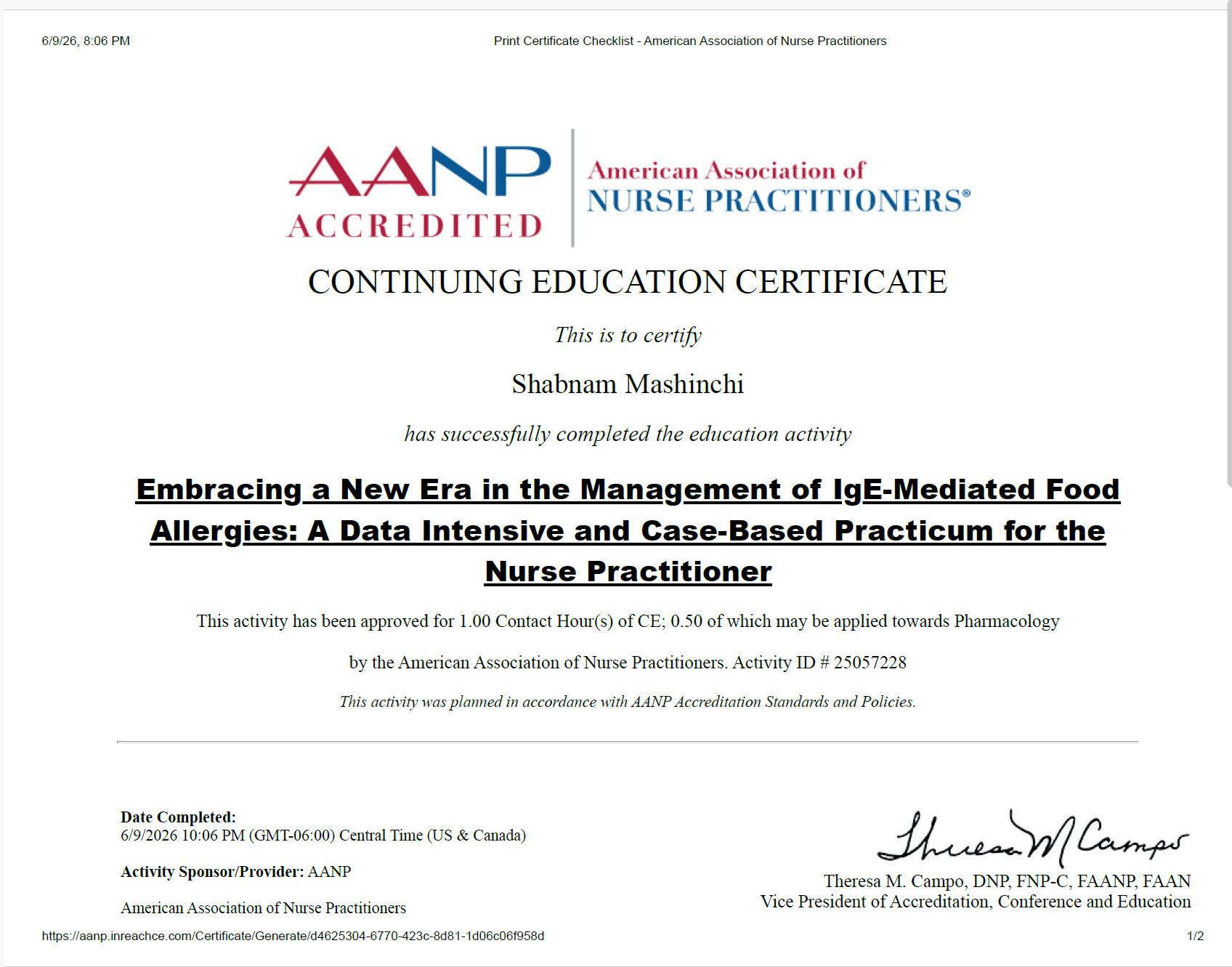
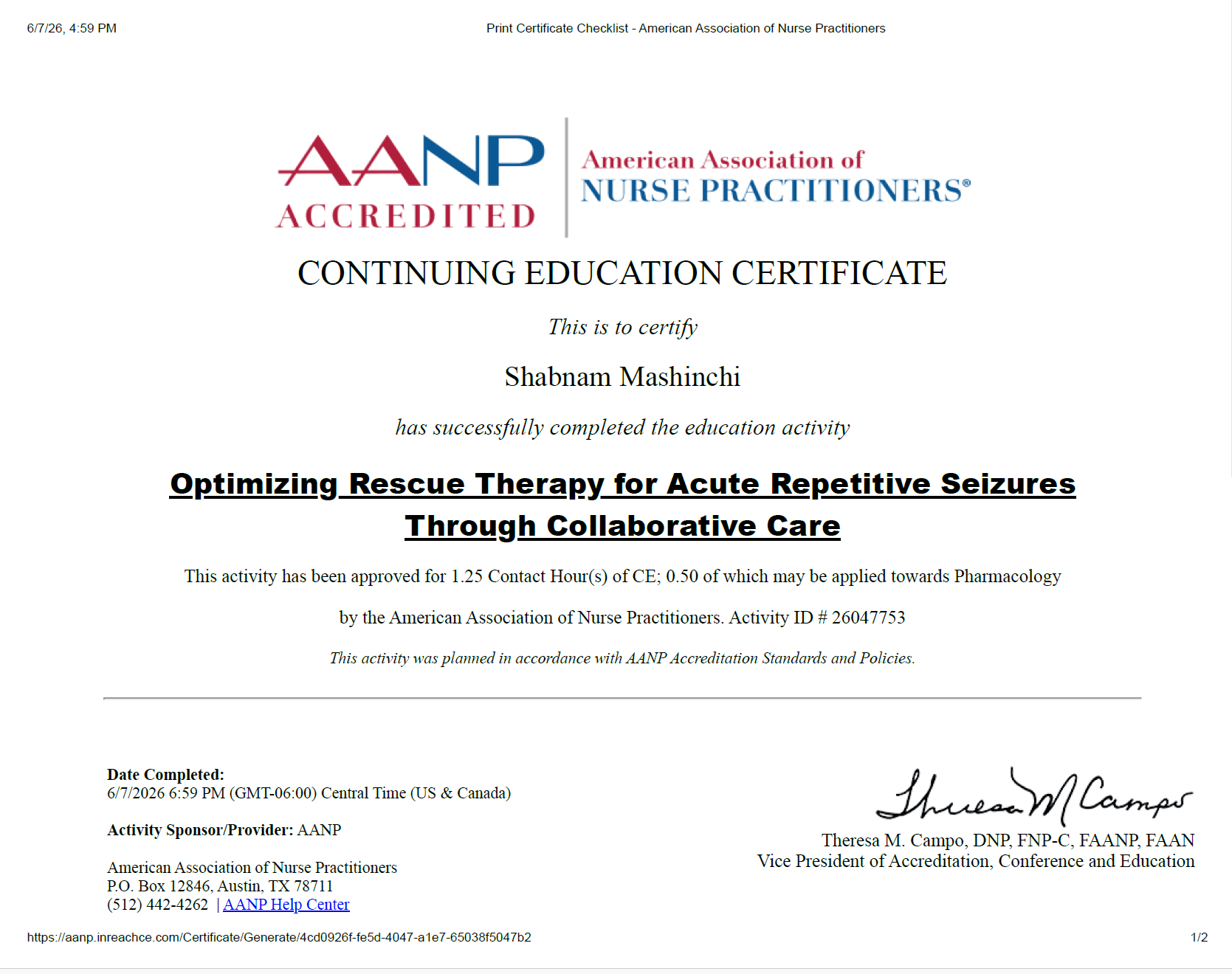
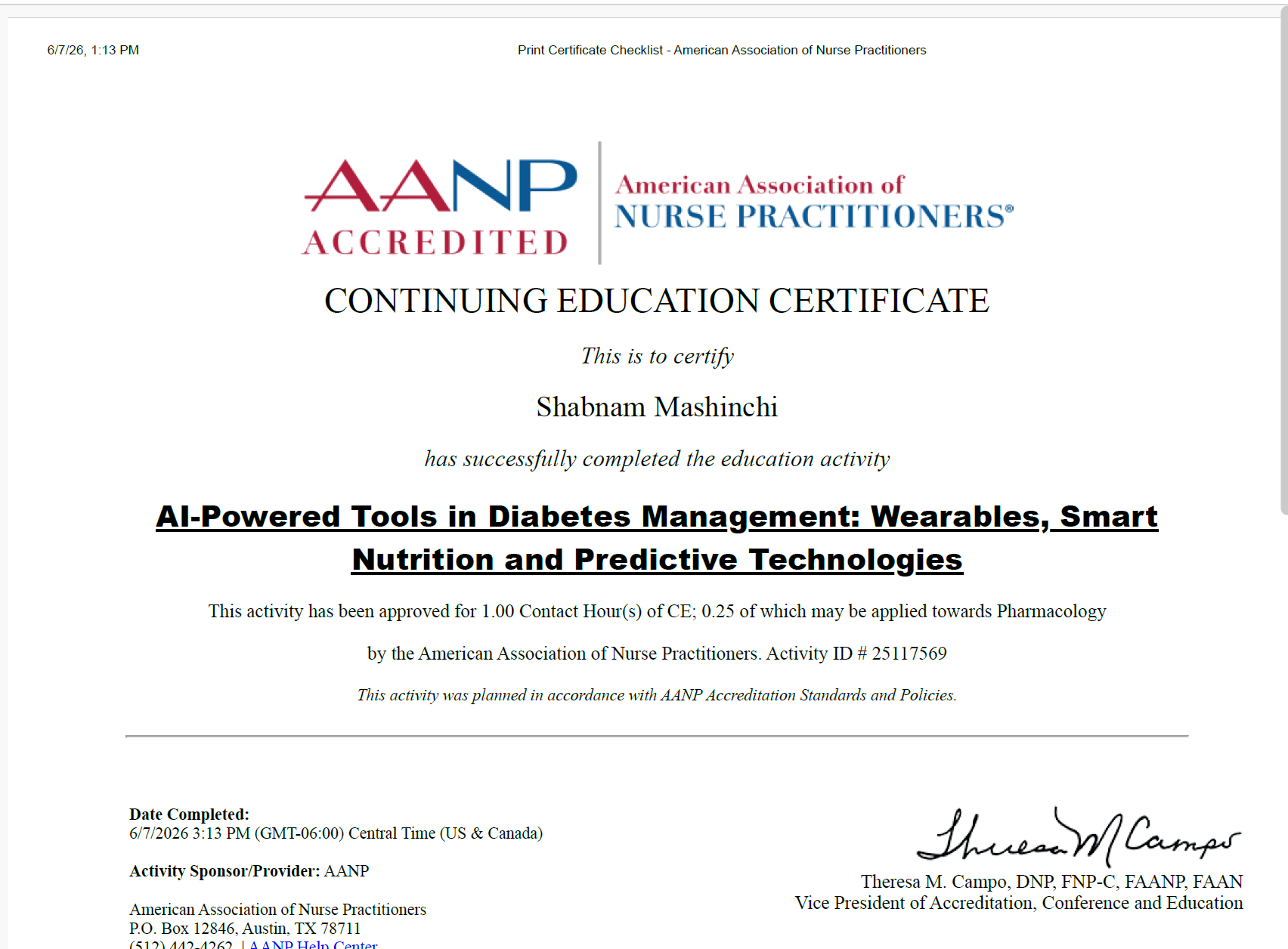
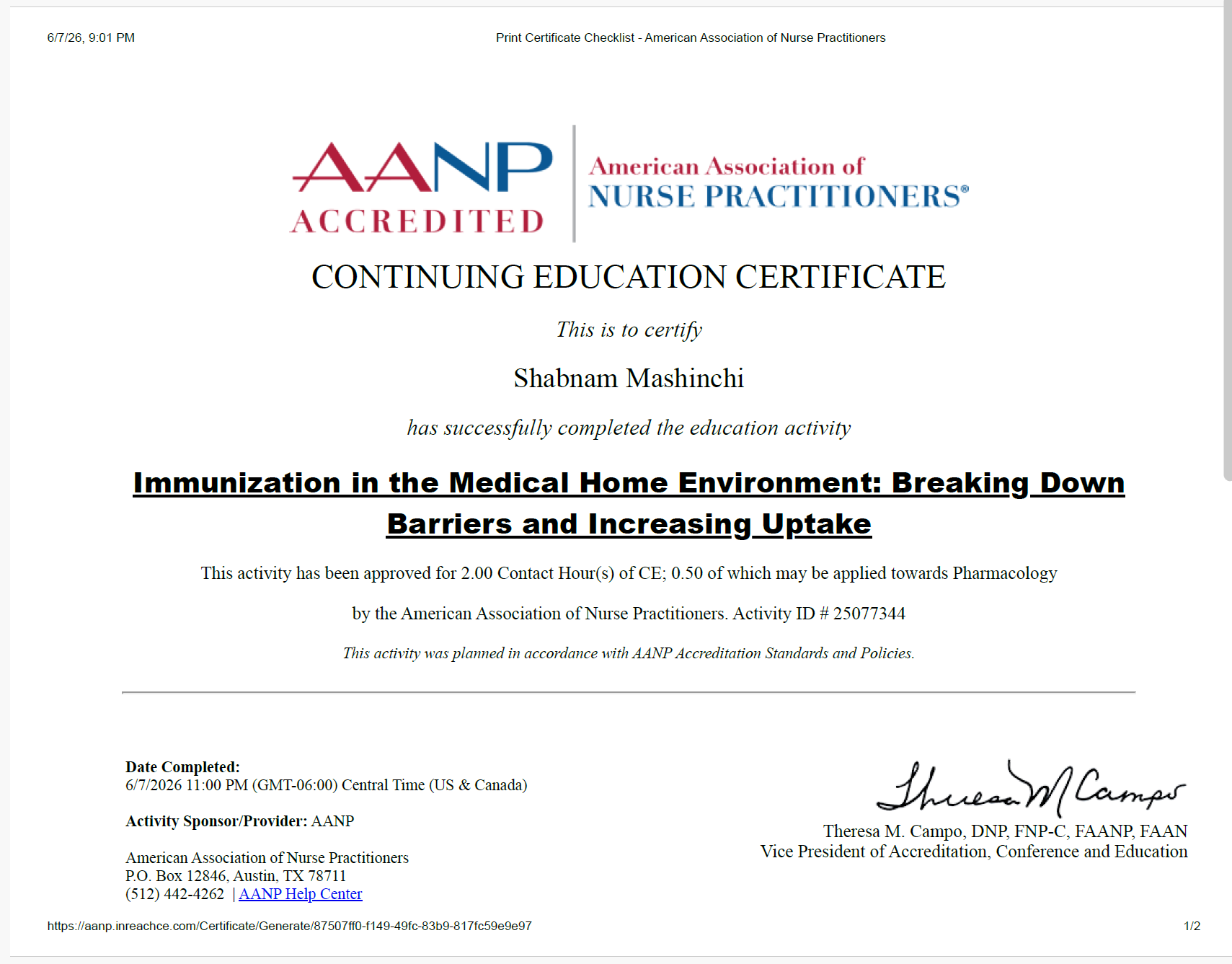
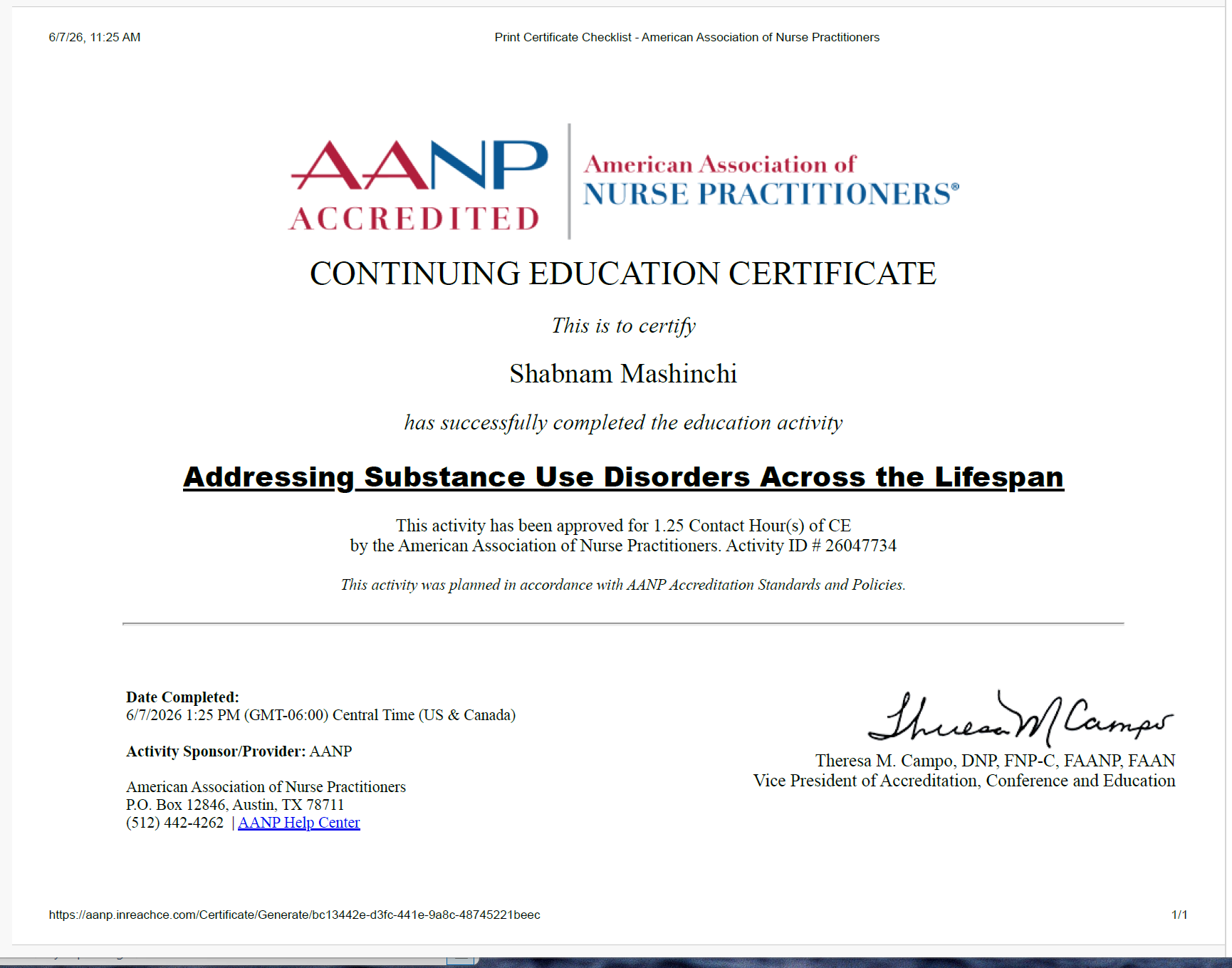
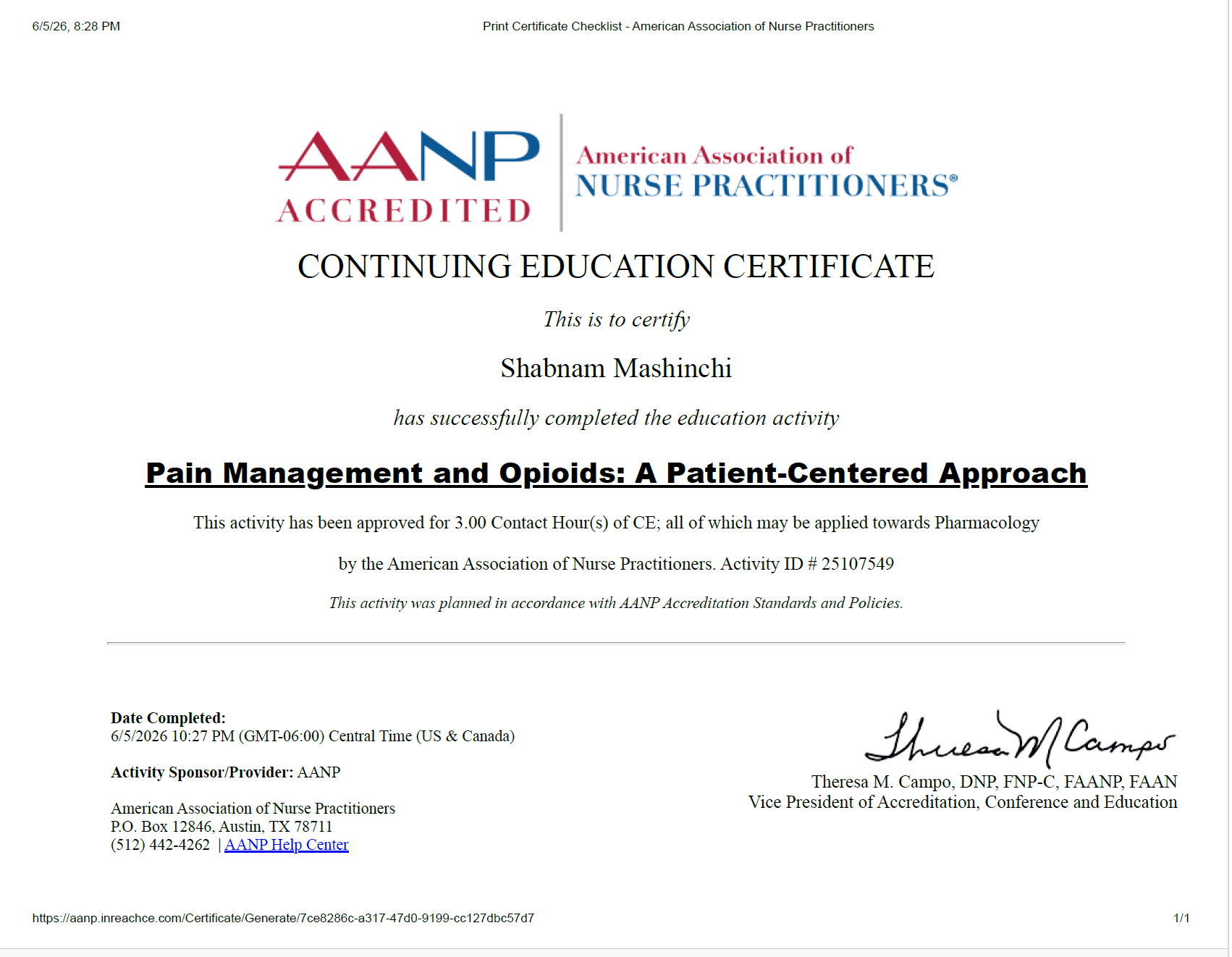
Certifications 

BSN Competencies

Patient-Centered Care

Patient-centered care is a fundamental competency in nursing that I have come to understand and appreciate deeply. This approach to healthcare places the patient at the heart of all decisions and actions. It involves understanding and respecting each patient's unique needs, values, and preferences, and incorporating them into their care plan. It is about treating the patient as a whole person, not just focusing on their illness. This approach ensures that the care provided is respectful, responsive, and tailored to the individual patient's needs, leading to better health outcomes and patient satisfaction.

Throughout my Bachelor of Science in Nursing (BSN) program, I had the opportunity to learn about patient-centered care both in theory and practice. In the classroom, we studied the principles of patient-centered care, learning about its importance in improving patient outcomes and satisfaction. During my clinical rotations, I had the opportunity to apply these principles in real-world settings. I learned to listen to my patients, understand their concerns, and involve them in decision-making processes. I also learned to consider their cultural, emotional, and psychological needs when planning and providing care.

 In my practice, I strive to exemplify patient-centered care in every interaction. A particularly poignant example of this was during my clinical rotation in an obstetrics unit. I was assisting a patient who was about to undergo a cesarean section with spinal anesthesia. She was visibly afraid, crying, and asked me to hold her while she received the injection. At that moment, I realized that my role extended beyond just providing medical care; I was there to offer emotional support and comfort as well. I held her, providing a reassuring presence during a frightening procedure. This experience was a powerful reminder of the importance of patient-centered care. It was not just about the medical procedure, but about understanding and responding to her emotional needs in that moment. These experiences have reinforced my belief in the importance of patient-centered care. I am committed to continually improving my skills in this area, to provide the best possible care to my patients. As I move forward in my nursing career, I will continue to prioritize patient-centered care in all aspects of my practice.


Safety

Understanding, learning, and exemplifying safety in nursing is a crucial aspect of providing high-quality patient care. Safety in nursing refers to the prevention of harm to patients during the process of healthcare delivery. This involves implementing measures to reduce the risk of adverse events related to medical care, such as medication errors, falls, and infections. Creating a safe environment enhances the quality of care and improves patient outcomes.

Throughout my Bachelor of Science in Nursing (BSN) program, I delved into the importance of safety in healthcare settings. I studied various safety protocols and guidelines, including infection control measures, safe medication administration, and fall prevention strategies. This theoretical knowledge was then put into practice during my clinical rotations, where I had the opportunity to apply these safety principles in real-world settings. I learned to identify potential hazards, implement safety measures, and advocate for patient safety.

In my practice, I strive to exemplify safety in every aspect of patient care. For instance, during my clinical rotation in a pediatric unit, I was responsible for administering medications to patients. I diligently followed the "five rights" of medication administration - right patient, right drug, right dose, right route, and right time - to ensure patient safety.

In another instance, while working in a geriatric unit, I implemented fall prevention strategies. This included ensuring clear walkways, using non-slip mats, and educating patients and their families about fall risks.

These experiences have reinforced my commitment to patient safety. I understand that safety is a fundamental aspect of nursing care and I am committed to continuously improving my skills and knowledge in this area. As I move forward in my nursing career, I will continue to prioritize patient safety in all aspects of my practice.

Teamwork and Collaboration

Teamwork and collaboration are fundamental competencies in nursing. They involve working effectively within nursing and inter-professional teams, fostering open communication, mutual respect and shared decision-making to achieve quality patient care. It's about understanding and valuing the roles and responsibilities of other team members and collaborating to provide the best possible care for patients.

Throughout my Bachelor of Science in Nursing (BSN) program, I delved into the importance of teamwork and collaboration in healthcare settings. I studied various team models and strategies for effective communication and collaboration. During my clinical rotations, I had the opportunity to work as part of a multidisciplinary team, which included doctors, nurses, pharmacists, and social workers. This experience allowed me to understand the roles and responsibilities of each team member and how to collaborate effectively to provide patient care.

During my clinical rotation in a surgical unit, I was part of a multidisciplinary team caring for a post-operative patient. Despite my primary role being monitoring the patient's vital signs, I actively communicated with the team about the patient's status. This experience highlighted the importance of teamwork and collaboration in providing effective patient care, showing me that every team member's contribution, regardless of their role, is vital.

In another instance, while working on a group project in my nursing program, I collaborated with my peers to develop a patient education program. We divided tasks based on our strengths and interests, communicated regularly to update each other on progress, and worked together to create a comprehensive and effective program.

These experiences have reinforced my commitment to teamwork and collaboration. I understand that effective teamwork and collaboration are crucial for providing high-quality patient care, and I am committed to continuously improving my skills in this area. As I move forward in my nursing career, I will continue to prioritize teamwork and collaboration in all aspects of my practice.

Quality Improvement

Quality improvement is a crucial competency in nursing that involves using data to monitor the outcomes of care processes and using improvement methods to design and test changes to improve the quality and safety of healthcare systems continuously. It's about understanding that healthcare is a system of interrelated parts, and changes in one area can impact outcomes in another.

Throughout my Bachelor of Science in Nursing (BSN) program, I learned about the importance of quality improvement in healthcare. I studied various quality improvement models and strategies and learned how to use data to identify areas for improvement and measure the effectiveness of interventions.

During my clinical rotations, I had the opportunity to observe quality improvement initiatives in action. For instance, in one of my rotations in an obstetrics unit, I observed a quality improvement project aimed at increasing skin-to-skin contact between mothers and babies after cesarean sections. The team collected data, identified areas for improvement, and implemented changes. Although I was not directly involved in the data collection or implementation, observing the process gave me valuable insights into how quality improvement works in a real-world setting.

In another instance, during a community health rotation, I observed a project aimed at improving vaccination rates in a local community. The team conducted a survey to understand the reasons for low vaccination rates and developed an education program to address misconceptions about vaccines. Observing this process reinforced the importance of community engagement and education in improving public health outcomes.

These experiences have reinforced my commitment to quality improvement. I understand that continuous improvement is crucial for providing high-quality patient care, and I am committed to continuously improving my skills and knowledge in this area. As I move forward in my nursing career, I will continue to prioritize quality improvement in all aspects of my practice.

Informatics

Informatics in nursing is a critical competency that involves the use of information and technology to communicate, manage knowledge, mitigate error, and support decision-making. It's about leveraging technology to enhance patient care and improve healthcare outcomes.

Throughout my Bachelor of Science in Nursing (BSN) program, I gained a solid understanding of the role of informatics in healthcare. I learned about various healthcare technologies, including electronic health records (EHRs), telehealth platforms, and decision support systems. I also studied the principles of data management and learned how to use data to inform clinical decision-making.

During my clinical rotations, I had the opportunity to apply this knowledge in real-world settings. I used EHRs to document patient information, monitor patient progress, and communicate with other healthcare professionals. I also used decision support systems to inform my clinical decision-making and provide evidence-based care to my patients.

In my practice, I strive to leverage informatics to enhance patient care. I am always looking for ways to use technology to improve efficiency, enhance communication, and support decision-making. I also understand the importance of data privacy and security, and I am committed to upholding the highest standards in this regard.

These experiences have reinforced my commitment to informatics. I understand that technology is a powerful tool that can greatly enhance the quality of care we provide to our patients. As I move forward in my nursing career, I will continue to prioritize informatics and seek out opportunities to develop my skills in this area further.